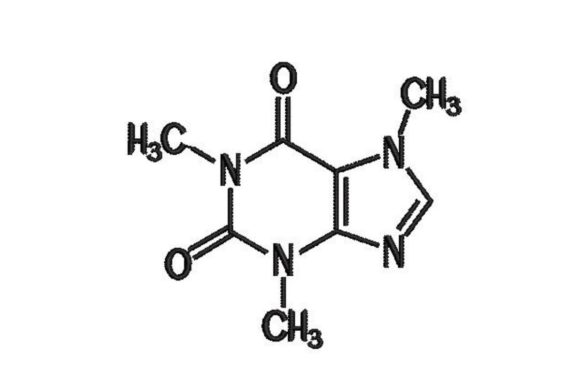
Caffeine Chemistry Symbol: A Designer’s Stitch Review
As a designer who spends more time analyzing stitch paths than scrolling through social media, I approach every new machine embroidery design with a healthy dose of skepticism. We have all been there: you download a file that looks crisp in the preview thumbnail, only to find it turns into a tangled mess of thread on actual fabric. That is why when I first loaded the Caffeine Chemistry Symbol into my digitizing software, I was not just looking at a cute graphic. I was looking for structural integrity, visual balance, and commercial viability.
This design taps into a timeless niche. Coffee and tea culture are not just hobbies; they are lifestyle identifiers. The chemical structure of caffeine is instantly recognizable to science nerds, baristas, and morning ritual enthusiasts alike. But does it translate well from a digital embroidery file to a tangible handmade product? Let us break down how this design performs in the real world.
First Impressions: Mood and Visual Personality
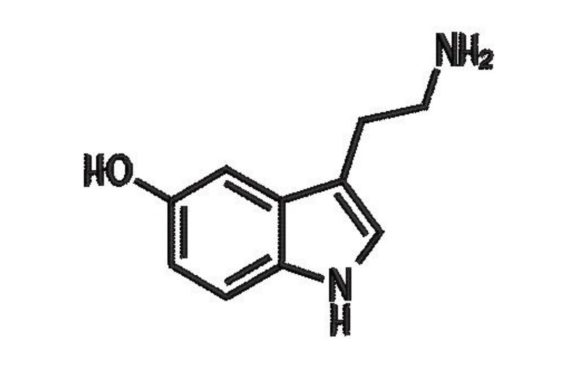
The immediate appeal of the Caffeine Chemistry Symbol lies in its clean, geometric aesthetic. Unlike floral motifs that rely on organic curves and varied satin stitch widths, a chemical diagram demands precision. The lines need to be sharp, and the bonds between atoms must be distinct. In my initial review, the layout felt balanced. It avoids the clutter that often plagues text-heavy designs, relying instead on the iconic hexagonal rings and molecular connections.
The mood is intellectual yet playful. It suggests a love for both science and sustenance. This duality makes it incredibly versatile. It is not overly masculine or feminine, which is a significant advantage for Etsy sellers and small shop owners looking to maximize their target audience. Whether stitched on a rugged canvas tote or a soft baby onesie, the design retains its character without feeling out of place.
Real-World Application: From Aprons to Sweatshirts
To truly evaluate an embroidery project, you have to imagine it on a physical item. I recently considered this design for a custom order involving kitchen textiles. The product description hints that it makes kitchen accessories unique, and I agree. Imagine this symbol stitched onto a high-quality linen apron. Using a contrasting thread color, such as a deep espresso brown or a vibrant teal against natural linen, creates a striking focal point. It elevates a standard kitchen towel from a utility item to a conversation piece.
Beyond the kitchen, the design shines in custom apparel. I tested the visual weight of the symbol on a mockup for a crewneck sweatshirt. Placed on the left chest, it acts as a subtle badge of identity. For a craft business, this is gold. It allows customers to express their personality without wearing a loud, oversized graphic. It works equally well for holiday embroidery gifts, particularly for teachers, chemists, or anyone who survives on their daily brew.
For those interested in applique design techniques, this symbol could be adapted creatively. While the base file may use standard stitches, a skilled embroiderer could use felt cutouts for the hexagonal rings to add texture and reduce stitch count. This approach is particularly useful for larger items like tote bag designs or pillow covers where density can become an issue.
Technical Considerations and Stitch Behavior
Now, let us talk about the technical side. Chemical structures are composed of straight lines and angles. In machine embroidery, sharp corners can be tricky. If the stitch density is too high, the fabric may pucker. If it is too low, the underlying material might show through. When reviewing the Caffeine Chemistry Symbol, pay close attention to the connecting lines between the rings. These are typically rendered in running stitch or narrow satin columns.
I recommend testing this design on scrap fabric before committing to a final finished product. Check how the machine handles the transitions between the vertical and horizontal bonds. On stretchy fabrics, such as those used for baby embroidery or athletic wear, proper stabilization is non-negotiable. A cut-away stabilizer is often safer than tear-away for these geometric shapes, as it provides ongoing support to prevent distortion after washing.
Also, consider the hoop size. While this design is likely compact enough for smaller hoops, always verify the dimensions provided in the file details. If you are stitching on curved surfaces like caps, ensure the design is centered correctly to avoid visual distortion. A slightly off-center chemical ring can look like a mistake rather than a style choice.
Navigating Fabric and Color Challenges
One of the biggest challenges with line-based designs is visibility on dark fabrics. If you are stitching this on a black hoodie or a navy embroidered patch, you must choose your thread colors wisely. White or metallic threads offer high contrast, but ensure the stitch coverage is sufficient to prevent the dark fabric from peeking through the gaps. Conversely, on light fabrics, a subtle grey or pastel thread can create a sophisticated, understated look suitable for boutique branding.
Be cautious with textured fabrics. Heavy towels or coarse canvas can obscure fine details. If the design includes tiny elements or small lettering alongside the symbol, these may get lost in the pile of a thick towel. In such cases, increasing the stitch width slightly or opting for a smoother fabric base will yield better results. This is crucial for maintaining customer trust and ensuring your personalized gift looks professional.
Commercial Viability and Brand Consistency
For digital embroidery file sellers and creative entrepreneurs, the Caffeine Chemistry Symbol offers strong commercial potential. It fits seamlessly into collections focused on academia, science, coffee culture, or Tea lovers. Because the imagery is universal, it transcends seasonal trends. This longevity is vital for building a sustainable small shop product line.
When using this design for commercial embroidery, always double-check the licensing terms. Most designers allow you to sell finished physical items, but restrictions may apply to mass production or digital redistribution. Confirming these details protects your business and respects the original creator’s work. Additionally, creating printable mockups with this design can help visualize its appeal to potential buyers before you even stitch a single thread.
Final Verdict for Makers
The Caffeine Chemistry Symbol is a solid addition to any embroiderer’s library. It is not just a decorative element; it is a statement piece that balances intellect with comfort. Its geometric nature requires attention to detail during setup, but the payoff is a crisp, professional-looking result that enhances the value of any handmade product.
Whether you are creating a unique gift for a friend, expanding your Etsy seller inventory, or just experimenting with new design assets, this motif delivers. Just remember to test your tension, choose the right stabilizer, and let the clean lines of the molecule speak for themselves. With careful execution, this design will undoubtedly impress your guests and elevate your creative portfolio.