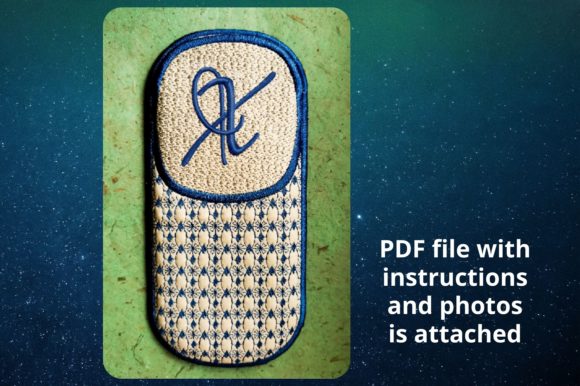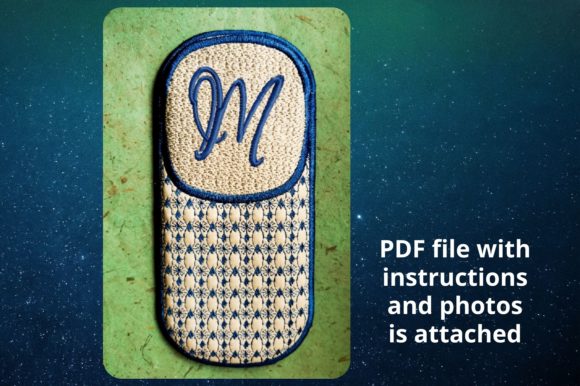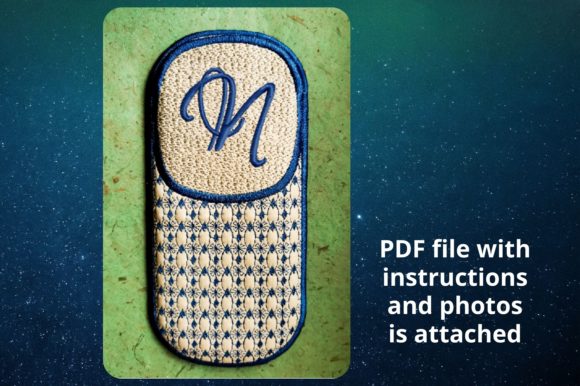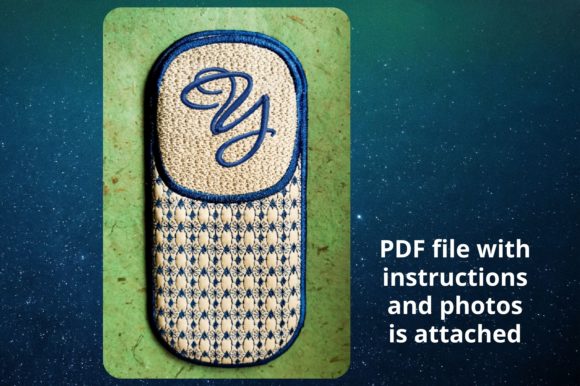
Eyeglass Case Letter H: A Designer’s Practical Review
As a designer who has spent countless hours digitizing, testing, and stitching out files for clients, I have learned that not all embroidery designs are created equal. Some look stunning on a screen but turn into a tangled mess of thread breaks and puckering on fabric. Others are simple, reliable workhorses that elevate a product without causing production headaches. Today, I am taking a close look at the Eyeglass Case Letter H, a machine embroidery design that promises to be both fun and easy to stitch. My goal is to evaluate this file not just as a digital asset, but as a practical component for real-world projects, from Etsy listings to boutique merchandise.
First Impressions and Visual Personality
When I first loaded the Eyeglass Case Letter H into my editing software, the immediate impression was one of approachable charm. The layout suggests a design that balances personality with clarity. For those of us in the craft business, we know that legibility is king, especially when personalization is involved. This design does not rely on overly complex fills or microscopic details that vanish after washing. Instead, it offers a clean visual identity that fits naturally into the Accessories category.
The mood here is playful yet structured. It feels like a design intended for someone who appreciates handmade quality but does not want something too stiff or formal. This makes it an excellent candidate for personalized gifts where the recipient’s initial is the star of the show. The visual personality suggests versatility; it is not so childish that it cannot be used for adult items, nor is it so austere that it lacks warmth. For an embroidery project, this balance is crucial because it expands the potential customer base.
Real-World Application: Beyond the Screen
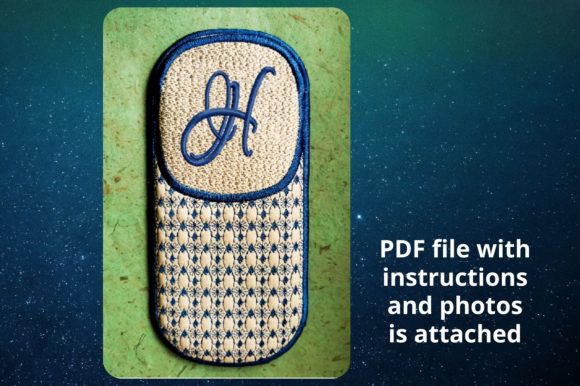
To truly understand the value of an embroidery file, you must imagine it stitched out. I envisioned using the Eyeglass Case Letter H for a custom eyeglass case, which is the most obvious application. However, my mind quickly wandered to other viable products. Imagine a soft, felted wool case where the letter H is stitched in a contrasting satin stitch. The texture of the wool combined with the sheen of the thread would create a tactile experience that buyers love.
Beyond cases, this design works beautifully on tote bag designs. A canvas tote with a single, bold initial is a perennial bestseller for small shop products. The simplicity of the letter allows the fabric texture to shine through, making the finished product feel high-end rather than mass-produced. I also see potential in sweatshirt embroidery. Placing this design on the cuff of a sleeve or over the heart area of a crewneck adds a subtle, personalized touch that appeals to customers looking for custom apparel without loud graphics.
For Etsy sellers, this type of design asset is gold. It allows for quick customization. You can offer monogrammed baby embroidery items, such as burp cloths or bibs, where the durability of the stitch is paramount. Since the description notes it is easy to stitch, it reduces the risk of errors during high-volume production runs, which is essential for maintaining profit margins in a craft business.
Technical Performance and Stitching Considerations
While the aesthetic appeal is strong, the technical execution is what determines whether a design becomes a staple in your library. The description mentions that the design comes with multiple options, which is a significant advantage. However, since specific technical details like exact stitch count or file formats are not provided in the brief, I advise every designer to check these specifications before purchasing or committing to a large order.
When working with any letter-based embroidery project, stitch density is a critical factor. If the density is too high, the fabric may pucker, especially on thinner materials like cotton voile or silk blends often used for luxury accessories. If it is too low, the backing material might show through, ruining the professional look. I recommend testing the Eyeglass Case Letter H on scrap fabric first. Use the same stabilizer and thread type you plan to use for the final product. This step is non-negotiable for maintaining quality control.
Thread color contrast plays a huge role in how this design reads. On dark fabric, a light-colored thread will make the letter pop, but you must ensure the stitch coverage is sufficient to hide the background. Conversely, on light fabric, darker threads provide definition. I suggest creating printable mockups in both black and white to see how the shape holds up without the distraction of color. This helps in assessing the structural integrity of the design elements.
Navigating Fabric and Hoop Constraints
One area where caution is needed is with curved surfaces. If you plan to use this design on caps or hats, the curvature can distort the letter shape. The "H" has straight vertical lines that might appear bowed if not hooped correctly. Using a proper stabilizer is essential here to prevent shifting. Additionally, textured fabrics like terry cloth or heavy denim can swallow up fine details. While this design seems robust enough for such textures, always inspect small details after a test stitch.
Hoop size is another consideration. Ensure that the design fits comfortably within your machine’s hoop with adequate margin for stability. Do not push the design to the very edge of the hoop, as this can lead to registration issues. For layered garments or thick materials like leather or vinyl used in eyeglass cases, consider using a topping to keep the stitches from sinking into the material.
Commercial Viability and Brand Consistency
For commercial embroidery and digital product sellers, consistency is key. The Eyeglass Case Letter H should fit seamlessly with other letters in the alphabet if you are offering a full monogramming service. Check if the style matches your existing design assets. A mismatched font style can confuse customers and dilute brand recognition.
Furthermore, always confirm licensing terms before selling finished items or digital products. Even if a design is marketed as easy to use, you need to know if it allows for commercial use. This protects your business from legal issues and ensures that your handmade product line remains sustainable. Customers trust sellers who are transparent about their sources and quality standards.
Final Verdict for Makers and Designers
The Eyeglass Case Letter H presents itself as a versatile and user-friendly option for a variety of embroidery projects. Its strength lies in its simplicity and adaptability across different mediums, from holiday embroidery gifts to everyday boutique branding. By taking the time to test stitch densities, choose appropriate stabilizers, and verify technical specs, you can leverage this design to create high-value, personalized gifts that resonate with buyers. It is a solid addition to any designer’s toolkit, provided it is used with the careful attention to detail that professional embroidery demands.