Fresh Carrot: A Practical Review for Embroidery Projects
As a designer who has spent countless hours digitizing and stitching out thousands of designs, I have learned that simplicity is often the hardest quality to get right. When I first loaded the Fresh Carrot file into my machine software, my initial reaction was one of cautious optimism. It is easy to dismiss simple motifs as basic, but in the world of commercial embroidery and handmade goods, clean lines and clear shapes are what sell. This design does not try to be overly complex; instead, it leans into a chic, natural aesthetic that fits seamlessly into modern craft trends.
First Impressions and Visual Personality
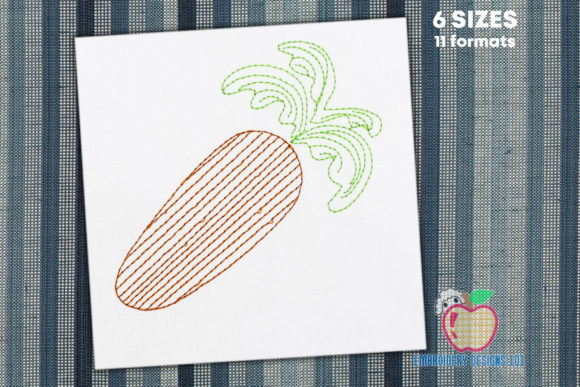
The mood of this design is undeniably cheerful yet understated. The shape of the carrot is recognizable without being cartoonish, striking a balance that appeals to both children and adults. For an embroidery designer, the layout is crucial. The proportions here feel balanced, with the leafy greens providing a nice counterweight to the root vegetable body. This visual personality suggests versatility. It is not just a holiday item or a seasonal novelty; it is a year-round graphic that speaks to health, nature, and home comfort.
When evaluating any new machine embroidery design, I look at how the elements interact. In this case, the transition between the orange body and the green top appears smooth. There are no jagged edges or confusing overlaps that might cause thread breaks or puckering. The detail level is moderate, meaning it retains its character even when scaled down, which is a significant advantage for small accessories like patches or baby items.
Real-World Application: The Tote Bag Test
To truly understand how a design performs, you must imagine it on a finished product. Recently, I was preparing a custom order for a local farmer’s market vendor who needed branded tote bag design options. She wanted something that screamed "organic" without using cliché leaf patterns. I simulated the Fresh Carrot on a natural canvas tote. The result was immediate clarity. The design stood out against the textured fabric, adding a pop of color that drew the eye without overwhelming the bag’s utility.
This scenario highlights why this design works so well for Etsy sellers and small shop product lines. It is specific enough to be thematic but general enough to fit various branding needs. Whether you are creating custom apparel for a community garden group or personalized gift items for a housewarming, the design carries a sense of warmth and approachability. Customers tend to trust products that look professional yet handmade, and this motif delivers that balance effortlessly.
Stitching Performance and Technical Considerations
From a technical standpoint, the execution of the stitches determines the longevity of the finished product. While I do not have the exact stitch count or file specifications in front of me, the visual structure suggests a mix of satin stitch for the outlines and potentially fill stitch for the larger areas of the carrot body. This combination is standard for durability. However, designers must always check the stitch density before running a full production batch.
If the density is too high, you risk stiffening the fabric, which is undesirable for sweatshirt embroidery or soft baby embroidery items. If it is too low, the fabric background might show through, especially on lighter materials. I recommend testing the design on scrap fabric that matches your final project material. Pay close attention to the green leafy top. Intricate details in this area can sometimes cause thread nesting if the machine tension is not calibrated correctly.
Another critical factor is the choice of thread colors. The vibrancy of the orange and green will make or break the design’s appeal. On dark fabrics, you may need to use an underlay or a lighter base color to ensure the carrot pops. Conversely, on white or cream linen, standard vibrant threads will look fresh and clean. Always review your design in black and white mockups to ensure the contrast holds up even without color information.
Navigating Fabric and Hoop Constraints
Not every surface is ideal for every design. While Fresh Carrot is fairly simple, you must exercise caution when applying it to challenging surfaces. For instance, on curved surfaces like caps or hats, the width of the carrot might need adjustment to prevent distortion. Similarly, on stretchy fabrics like jersey knits, using the correct stabilizer is non-negotiable. Without proper support, the weight of the embroidery can cause the fabric to pucker around the edges, ruining the sleek look of the design.
For embroidered patch creation, this design is an excellent candidate because of its self-contained shape. It does not rely on surrounding text or complex backgrounds to make sense. However, if you are working with very thin or delicate fabrics, such as silk scarves or lightweight summer tees, consider reducing the size slightly or using a finer needle to minimize perforation marks. The goal is to enhance the garment, not weigh it down.
Commercial Value and Brand Consistency
For craft business owners, consistency is key to building brand recognition. Using a cohesive set of design assets helps customers identify your work. The Fresh Carrot fits well into a broader collection of food-themed or nature-inspired embroidery. It can be paired with other vegetables or fruits to create series for kitchen towels, aprons, or nursery decor. This scalability increases the perceived value of your shop.
Moreover, the professional appearance of the design boosts customer trust. When buyers see clean stitching and thoughtful placement, they are more likely to leave positive reviews and return for future purchases. Whether you are selling physical handmade product items or offering digital embroidery file downloads, the quality of the source design reflects directly on your reputation. Ensure you verify the licensing terms before selling finished items or digital products to avoid any legal issues.
Final Designer Notes
Before committing to a large run, always perform a test stitch. Check the alignment of the greens with the orange body. Ensure there are no loose threads or jumps that detract from the polished look. Compare the design on both light and dark fabric backgrounds to determine the best thread palette for your specific audience. Remember, the best embroidery projects are those where the technique serves the art, not the other way around.
In summary, Fresh Carrot is a reliable, versatile addition to any designer’s library. It offers a blend of charm and professionalism that works across various applications, from holiday embroidery gifts to everyday commercial embroidery tasks. By paying attention to fabric choice, stabilizer use, and thread quality, you can transform this simple digital file into a standout piece that resonates with customers and elevates your creative portfolio.