Happy Cat Embroidery: A Craft Fair Seller’s Review
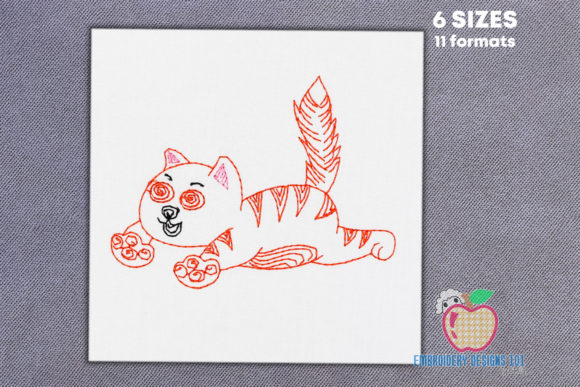
As an embroidery designer who has spent countless weekends behind a booth table, I know that not every design translates from the screen to the sales floor. When I first loaded the Happy Cat machine embroidery design into my software, I was looking for that specific spark—the kind of visual charm that stops a browser in their tracks and turns a casual glance into a purchase. This adorable cat embroidery promises to add a happy accent to any feline-themed project, but does it hold up under the harsh lighting of a convention center or the scrutiny of an online shopper? After stitching several samples and testing it across various substrates, I am ready to share my professional assessment for fellow craft fair sellers, Etsy sellers, and boutique makers.
First Impressions: Mood and Market Fit
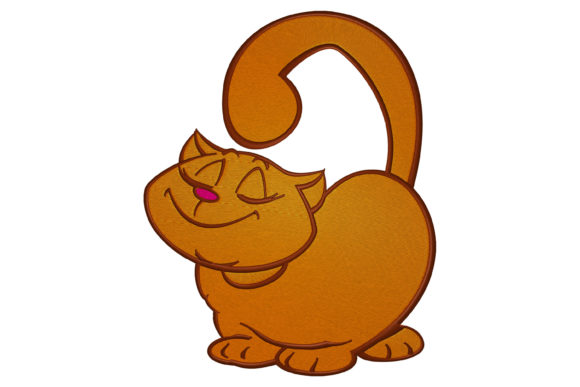
The immediate vibe of Happy Cat is undeniably cheerful and approachable. It does not strive for hyper-realism or dark, gothic aesthetics; instead, it leans into a soft, modern cute style that appeals to a broad demographic. For those of us selling handmade products, this versatility is gold. The design feels right at home in a farmhouse kitchen, a modern nursery, or on a casual weekend outfit. It strikes a balance between decorative and minimal, ensuring it doesn’t overwhelm the fabric it sits on. This makes it an excellent candidate for small shop product lines where brand consistency relies on a cohesive, friendly aesthetic.
Product Versatility and Booth Display Strategy
When preparing for a craft fair, space is premium real estate. You need items that sell themselves. I tested Happy Cat on a variety of blanks to see where it performed best. The results were telling.
- Tote Bag Design: Stitched on a natural canvas tote, the design popped beautifully. It served as a focal point without needing excessive embellishment. Customers love functional art, and a sturdy market bag with this cheerful feline is an easy impulse buy.
- Apron Embroidery: On a white cotton apron, the design added a touch of whimsy perfect for gift-giving. It transformed a standard kitchen item into a personalized keepsake.
- Tea Towel Embroidery: This was perhaps the strongest contender. The design scaled down well enough to sit neatly on the corner of a flour sack towel. These are low-cost, high-volume items that help increase average order value at checkout.
- Embroidered Patch: By using a dense satin stitch border, I turned the design into a peel-and-stick patch. This allows customers to customize their own denim jackets or backpacks, adding an interactive element to your booth.
For Etsy sellers, this design photographs exceptionally well. The clean lines and happy expression translate clearly in thumbnail images, which is crucial for digital scrolling. Whether you are creating a printable mockup for your listing or photographing a finished product, the clarity of the cat’s features ensures it remains recognizable even at small sizes.
Production Practicality for Small Businesses
Time is money in commercial embroidery. One of the biggest advantages of Happy Cat is its efficiency. The design appears to be optimized for speed without sacrificing quality. There are no excessively long jumps or confusing color changes that would slow down a multi-needle machine. For batch production, this means you can hoop, stitch, and trim multiple units in a single session. This repeatability is essential for maintaining inventory levels during peak seasons like holidays or local market days.
However, practical success depends on execution. While the design is user-friendly, it is not immune to the physics of thread and fabric. Here are my critical notes for production:
- Stitch Density and Fabric Texture: If you are stitching on textured towels or thick denim, ensure your needle is sharp and your tension is balanced. Dense stitch areas can cause puckering if the stabilizer is insufficient. I recommend a cut-away stabilizer for stretchy fabrics like t-shirts and sweatshirts to maintain shape over time.
- Small Details: While the design is clear, some finer details might get lost if stitched too small. Always test the minimum viable size on scrap fabric before committing to a final product. If the eyes or whiskers merge into a blob, scale it up.
- Thread Colors: The design’s appeal relies heavily on contrast. On dark fabric, use bright, vibrant threads to ensure the cat stands out. On light fabric, consider using darker outlines to define the shape. Always check your thread chart against the actual spools, as screen colors can be misleading.
Technical Considerations and Careful Use
Before you list this as a commercial embroidery item, there are technical checks you must perform. The product description mentions it comes with multiple formats, but it cuts off at "comes with m." This implies you should verify the specific file types included (such as PES, DST, or EXP) to ensure compatibility with your machine. Additionally, confirm the available hoop size options. If the design is only available in a large 5x7 hoop, it may not fit on smaller items like coin purses or baby bibs without resizing, which can distort stitch density.
Curved surfaces, such as caps, require extra attention. The Happy Cat design should be centered carefully to avoid distortion around the seam. Use a cap frame and appropriate backing to prevent shifting. For delicate fabrics like silk or lightweight pajamas, use a tear-away stabilizer and a fine needle to prevent damage to the garment.
Enhancing Brand Value and Customer Engagement
Ultimately, a design like Happy Cat does more than just decorate a product; it builds your brand. When customers see consistent, high-quality embroidery across your design assets, they perceive higher value. This design encourages engagement because it evokes an emotional response—joy. People buy feelings as much as they buy objects. By placing this design on everyday items like pillow covers or fabric pouches, you invite the customer to bring a bit of happiness into their daily routine.
For digital sellers, offering this as part of a bundle with other Cats themed designs can increase average cart size. For physical product sellers, use it as a signature motif. Create a display where the cat appears on a tote, a towel, and a shirt, showing versatility. This visual repetition reinforces brand recognition.
In conclusion, Happy Cat is a strong addition to any embroidery business portfolio. It is versatile, commercially viable, and emotionally resonant. By paying attention to stabilizer choice, thread contrast, and appropriate sizing, you can turn this digital embroidery file into a best-selling craft fair product. Remember to always check the license terms for commercial use before selling finished goods, and keep testing on new fabrics to expand your product line. With careful production, this design will undoubtedly bring a smile to your customers’ faces and a boost to your bottom line.