Not All Superheroes Wear Capes: A Designer’s Review
As an embroidery designer who has spent countless hours behind the hoop and even more weekends standing behind a craft fair table, I know that not every design is created equal. Some look great on a screen but fall flat in person. Others are so dense they break needles. Today, I am reviewing Not All Superheroes Wear Capes, a machine embroidery design that promises to stitch out beautifully onto any fabric that needs a stylish, personalized look. This review is written specifically for Etsy sellers, boutique makers, and creative entrepreneurs looking to expand their Babies category with high-quality Embroidery products.
First Impressions and Visual Appeal
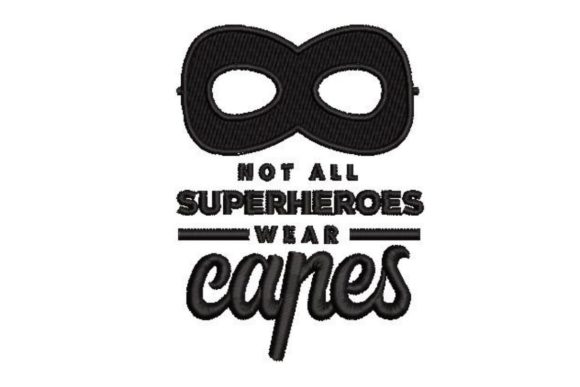
When I first loaded this digital embroidery file into my software, the immediate impression was one of modern warmth. The phrase "Not All Superheroes Wear Capes" carries a strong emotional weight, particularly in the context of parenting and caregiving. It feels less like a cartoonish graphic and more like a heartfelt tribute. For a craft fair product, this is gold. It appeals to grandparents, new parents, and anyone who appreciates the quiet heroism of daily care.
The design strikes a balance between bold and cute. It is not overly rustic, nor is it strictly minimal. Instead, it sits comfortably in the "modern handmade" aesthetic that dominates current market trends. The typography appears clean and legible, which is crucial for a design that relies on text to convey its message. If you are aiming for a premium look, this design delivers without feeling stiff or corporate.
Product Versatility for Craft Fairs
The true test of any machine embroidery design is its versatility. Can it survive on a curved cap? Does it get lost on a textured towel? Here is how Not All Superheroes Wear Capes performs across various handmade product categories:
- Tote Bag Design: This is arguably the strongest application. A canvas tote with this phrase stitched in a contrasting thread color becomes an instant bestseller. It is practical, visible, and serves as a walking advertisement for your small shop product line.
- Apron Embroidery: Perfect for kitchen gifts. The design centers well on a bib apron, making it a thoughtful present for dads, grandpas, or caregivers who spend time cooking and cleaning.
- Tea Towel Embroidery: While charming, be cautious here. Textured waffle weaves can distort smaller lettering. Ensure your stitch density is adjusted for absorbent fabrics to prevent puckering.
- Embroidered Patch: If the design scales down well, turning it into an iron-on or sew-on patch allows customers to customize their own jackets or bags. This expands your reach beyond finished goods.
- Pillow Covers and Pouches: These make excellent impulse buys at a booth. A small zippered pouch with this quote is a low-commitment purchase for browsers.
Production Practicality for Sellers
For those of us running commercial embroidery operations, efficiency is key. This design comes with multiple embroidery file formats, which is a significant advantage. It means you can likely find a version compatible with Brother, Janome, Husqvarna, or Bernina machines without needing complex conversion software. However, always verify the specific formats included in your download.
The description states it can be used with various fabrics, but as a designer, I advise caution. The visual appeal of this piece relies heavily on thread colors. A monochrome look using grey on white feels sophisticated, while bright primary colors lean into the "superhero" theme. For batch production, this design seems repeatable. There are no excessive jump stitches mentioned, which suggests a cleaner finish and less time spent trimming threads—a major win for high-volume Etsy sellers.
Careful-Use Notes and Technical Considerations
Before you commit to stitching fifty units for a weekend market, consider these technical factors:
- Stitch Density: Check the density settings in your software. If the design is too dense for lightweight cotton, it may pucker. Use a cut-away stabilizer for stretchy fabrics like t-shirts or jersey pillow covers.
- Fabric Texture: Avoid highly textured fabrics like thick terry cloth unless you use a water-soluble topping. The fine details of the lettering may sink into the pile and lose clarity.
- Small Lettering: If you plan to scale this down for a baby onesie or a small pocket, zoom in to 400% on your screen. Ensure the smallest letters remain distinct. If they merge, the design will look like a blob from a distance.
- Dark Fabric: Stitching light thread on dark fabric requires careful tension adjustment. Test on scrap fabric first to ensure the bobbin thread does not show on the top side.
Boosting Brand Consistency and Buyer Engagement
In a crowded craft fair aisle, your booth display strength depends on cohesion. Not All Superheroes Wear Capes helps build a narrative. It tells customers that your brand values family, care, and modern style. When paired with other items in your Babies collection, it creates a themed section that draws the eye. Customers are more likely to engage with a display that tells a story rather than one that looks like a random assortment of items.
Photography is equally important. This design photographs well because it is text-based. You do not need perfect lighting to capture intricate shading; you just need clear contrast. Create a printable mockup or use design assets to visualize how the thread colors pop against different background fabrics before you stitch. This saves time and materials.
Final Designer Verdict
Is Not All Superheroes Wear Capes worth adding to your library? Yes, provided you respect the technical requirements. It is a versatile, emotionally resonant design that fits seamlessly into the modern handmade market. It works exceptionally well as a tote bag design or apron embroidery, where the surface area allows the text to breathe.
Remember to check the commercial licensing terms included with your digital embroidery file. Most designers allow you to sell finished products, but restrictions on sharing the actual design file are standard. Always confirm these details to protect your business.
To maximize success, test the design on scrap fabric using your typical stabilizer and hoop size. Compare at least three fabric colors to see which offers the best readability. If you approach this project with the same care you put into your craft, this design will likely become a staple in your repertoire of commercial embroidery hits. It is simple, effective, and deeply human—exactly what buyers are looking for in a world of mass-produced goods.