Origami Elephant: A Designer’s Review for Small Business Merch
As an embroidery designer who has spent years digitizing and reviewing thousands of files, I look at every new machine embroidery design through a specific lens. It is not just about whether the image looks cute on a screen; it is about how it translates to fabric, how it holds up in a commercial setting, and whether it adds tangible value to a small business brand. Recently, I evaluated the Origami Elephant, a digital file categorized under Wild Animals, and I want to share my professional perspective on its potential for branded merchandise and custom apparel.
First Impressions: Modern Elegance Meets Playful Charm
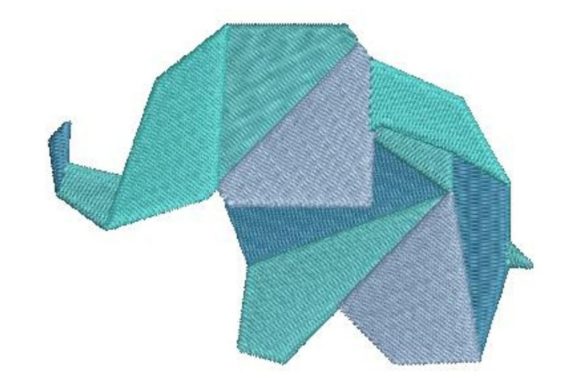
The first thing that strikes you about the Origami Elephant is its unique aesthetic blend. Unlike traditional wildlife embroidery which often relies on realistic shading or rustic outlines, this design leans into a geometric, folded-paper style. This gives it a modern, clean, and slightly artistic feel. The description notes that it has "lovely features" and is suitable for children's clothing, which suggests a softness in the execution despite the angular origami concept.
For a small business owner, this visual personality is crucial. It feels friendly yet premium. It does not scream "cheap souvenir." Instead, it whispers "thoughtful handmade product." This makes it an excellent candidate for boutiques, creative studios, and brands that want to project an image of care and creativity. The design avoids excessive complexity, which is often a pitfall in digital embroidery files, ensuring it stitches out beautifully without becoming a tangled mess of thread breaks.
Real-World Applications for Small Business Merchandise
When I consider where to place the Origami Elephant, I immediately think beyond standard t-shirts. Its versatility allows it to shine in various commercial embroidery projects. Here is how I envision this design working for different types of businesses:
- Embroidered Patches: This is perhaps the strongest use case. The geometric lines of an origami style translate exceptionally well to patch formats. A small, iron-on or sew-on patch featuring this elephant could be a signature element for a pet brand, a bakery, or a local florist. It serves as a recognizable badge of quality.
- Apron Embroidery: For cafes, bakeries, or craft studios, staff uniforms are walking billboards. Placing the Origami Elephant on the chest pocket or lower corner of an apron adds a touch of whimsy without being overwhelming. It reinforces brand identity in a subtle, professional way.
- Cap Embroidery: Caps require designs that are compact and bold. Since this design is described as having lovely features rather than intricate micro-details, it can work well on the front panel of a baseball cap, provided the size is adjusted correctly for the curved surface.
- Tote Bag Design: Canvas tote bags are a staple for Etsy sellers and retail shops. The contrast of thread against canvas texture can make the geometric lines pop. This design would look stunning as a central motif on a reusable shopping bag, appealing to eco-conscious customers.
- Children’s Clothing and Bath Supplies: As noted in the product description, this file is suitable for towels and children's wear. For a boutique selling baby goods, this adds a high-perceived value item. The "wild animals" category usually implies adventure, but the origami twist makes it safe, gentle, and modern for nursery decor or kids' apparel.
Technical Considerations and Production Notes
While the Origami Elephant appears promising, any experienced embroiderer knows that a pretty preview does not guarantee a perfect finished product. Before running this digital embroidery file on a production machine, there are several critical steps to take.
First, always check the stitch density. Geometric designs can sometimes have dense fill areas where the "paper folds" intersect. If the density is too high, it can cause puckering, especially on lighter fabrics like children's clothing or thin towel materials. I recommend testing the design on a scrap piece of your actual production fabric with the same stabilizer you plan to use commercially. Cut-away stabilizer is often safer for items that will undergo frequent washing, such as bath supplies or staff uniforms.
Second, consider the thread colors. Origami relies on light and shadow. To maintain the 3D illusion, you must choose thread colors with sufficient contrast. If you are stitching on dark uniforms, ensure the design includes enough light-colored threads or consider using a white underlay to make the colors vibrant. Test it in black and white first to see if the shape remains recognizable without color reliance. This is a good test for logo versatility.
Third, verify the hoop size requirements. While the description does not specify exact dimensions, you must confirm that the design fits within your machine’s hoop capacity, especially if you plan to stitch multiple items at once or use it on smaller items like baby socks or pocket accents. Always create a printable mockup to visualize the scale before committing to a full batch.
Impact on Brand Identity and Customer Trust
Using a distinct design like the Origami Elephant does more than decorate a product; it builds brand equity. In a market saturated with generic clip-art, a well-executed, themed embroidery design signals professionalism. When customers see consistent, high-quality stitching on your custom apparel or packaging accents, it increases their trust in your brand.
For handmade brands and Etsy sellers, this design acts as a visual anchor. It helps in creating a cohesive look across different design assets. Imagine using the same elephant motif on your hang tags, your tote bags, and your staff shirts. This visual consistency makes your business memorable. It transforms a simple transaction into a branded experience. Customers are more likely to engage with and share photos of products that look curated and intentional.
Where to Use Caution
Despite its strengths, there are scenarios where the Origami Elephant might struggle. Avoid using it on highly textured fabrics where the geometric lines might get lost in the weave. Also, be cautious with extremely small sizes. If you shrink the design too much for a tiny label or a small patch, the details may merge, losing the crisp origami effect. Always review the spacing between elements in the digitized file. If the gaps are too narrow, they may fill in with thread during stitching, ruining the clean look.
Additionally, confirm the commercial licensing terms before using this embroidery file for mass production. Not all digital files allow for unlimited commercial use, and protecting your business from legal issues is as important as protecting your thread tension.
Final Verdict
The Origami Elephant is a versatile and charming addition to any embroidery designer’s library. It bridges the gap between playful wildlife themes and modern geometric aesthetics. For small business owners looking to elevate their small business merch, this design offers a professional, clean, and adaptable option. Whether used for apron embroidery, branded patches, or children's clothing, it has the potential to enhance your product value and strengthen your brand identity. Just remember to test, stabilize, and verify your settings to ensure every stitch counts.