Reviewing the Basset Hound Dog Redwork Design
As a designer who spends more time staring at stitch maps than actual fabric, I have learned to be skeptical of cute animal motifs. They often promise charm but deliver frustration in the form of thread breaks and puckering. However, when I loaded the Basset Hound Dog file into my software for a recent client project, my initial reaction was one of genuine relief. This is not just another generic clipart conversion; it is a thoughtfully constructed redwork embroidery design that understands the limitations and strengths of single-color stitching.
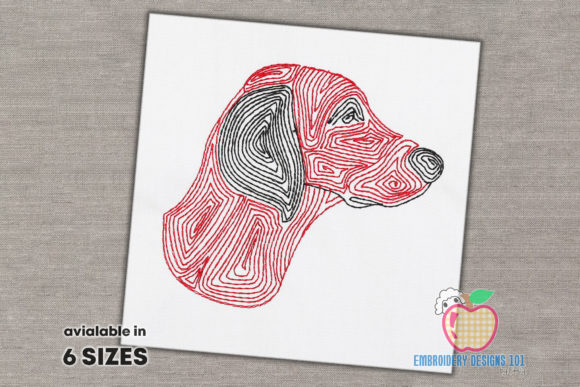
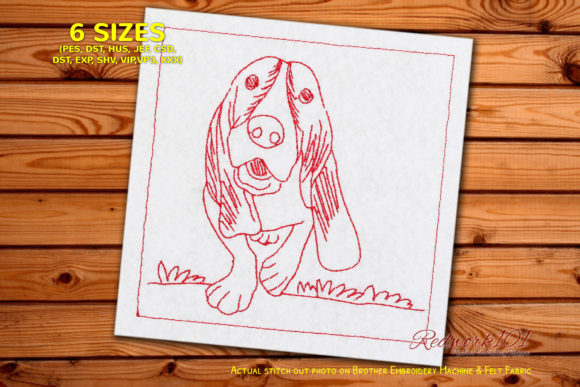
The mood this design creates is immediately playful yet sophisticated. Redwork, by its nature, relies on line weight and spacing rather than dense fills to create an image. The Basset Hound Dog captures the droopy-eyed, laid-back personality of the breed with clean, confident lines. For embroidery designers and small business owners, this distinction matters. A cluttered design looks cheap on a finished product, but a clean line-art design reads as intentional and high-end. This particular layout feels balanced, making it a versatile asset for anyone looking to add a touch of whimsy without sacrificing professionalism.
Real-World Application: The Custom Tote Bag Test
To truly evaluate any machine embroidery design, you have to move beyond the screen and put needle to fabric. I recently used this design for a custom order involving canvas tote bags. The client wanted a series of dog-themed bags for a local shelter fundraiser. I chose the Basset Hound Dog because its open structure works beautifully on textured fabrics like canvas or linen.
When stitching on a tote bag, you are dealing with a thick, woven material that can resist fine details. Because this design utilizes running stitch techniques typical of redwork, it penetrated the heavy fabric cleanly without causing excessive pull or distortion. The result was crisp and clear. Customers at the event were drawn to the simplicity of the design. It did not look like a mass-produced print; it looked like a handmade product with character. This is the kind of visual appeal that drives engagement for Etsy sellers and craft fair vendors. It signals quality before the customer even touches the item.
Versatility Across Product Lines
One of the strongest assets of the Basset Hound Dog is its adaptability. While I tested it on a tote, I can easily visualize it working across a wide range of applications. For apparel decorators, this design is ideal for sweatshirt embroidery. Placed on the left chest of a hoodie or centered on a t-shirt, it acts as a subtle brand accent or a personal statement. The lack of dense fill stitches means the garment remains breathable and flexible, which is crucial for custom apparel comfort.
For those focusing on home decor, this design shines on tea towels and pillow covers. The optional Box Stitch mentioned in the product description adds an interesting layer of dimension if you choose to use it, framing the hound nicely. However, even without the box, the standalone figure is strong. It fits seamlessly into nursery decor for parents who love dogs, or as a quirky accent in a kitchen setting. For holiday embroidery projects, such as Christmas stockings or Easter gifts, the playful nature of the basset hound makes it a perennial favorite. It is not tied to a specific season, which increases its commercial viability for small shop products.
Technical Considerations and Fabric Choices
While the design is robust, it is not without its technical requirements. As an experienced reviewer, I must point out where caution is needed. Redwork designs rely heavily on contrast. If you are stitching the Basset Hound Dog on dark fabric, you must ensure your thread color pops. A navy thread on a black shirt will vanish. Always test your thread colors against your fabric texture before committing to a final piece.
Additionally, consider the hoop size. While the design is likely compact, placing it on curved surfaces like caps requires careful hooping. The long, horizontal lines of the basset’s body need to remain straight. If the fabric shifts during stitching, the dog might look warped. Using a proper stabilizer is non-negotiable here. For stretchy fabrics like jersey knits used in baby clothes or t-shirts, a cut-away stabilizer will provide the necessary support to keep the running stitches from sinking into the weave. For woven fabrics like aprons or pillow covers, a tear-away may suffice, but always err on the side of stability.
Another critical factor is stitch density. Since this is primarily a line-based design, it is generally safe for most home machines. However, if you opt to include the optional Box Stitch, be aware that this adds a perimeter of satin or fill stitches. Ensure your machine can handle the transition between the fine running stitches of the dog and the denser border. Test this on scrap fabric first to check for thread tension issues.
Commercial Value and Brand Consistency
For digital product sellers and creative entrepreneurs, the value of a design lies in its ability to enhance brand consistency. The Basset Hound Dog offers a clean aesthetic that pairs well with minimalist branding. It does not overwhelm other design elements. If you are creating a printable mockup for your online store, this design renders clearly even at smaller sizes, which is essential for digital embroidery file previews.
Buyer engagement often hinges on perceived effort and quality. A well-executed redwork piece looks artisanal. It suggests that the maker cares about detail. This builds customer trust. When selling finished products, whether they are personalized gifts or boutique merchandise, the clarity of the embroidery reflects directly on your price point. A muddy, poorly stitched design devalues the item. A crisp, clean Basset Hound Dog elevates it.
Final Designer Notes
Before you purchase or use this embroidery file, there are a few practical steps you should take. First, confirm the licensing terms. While many designs allow for commercial use of finished items, some restrict the resale of the digital file itself. Always read the specific license included with your download. Second, check the available formats to ensure compatibility with your machine. Most modern designs come in multiple formats, but it is wise to verify.
Finally, do not skip the test stitch. Run the Basset Hound Dog on a similar fabric to your final project. Check the stitch count and density in your software. Look for any potential jump stitches that might need trimming. By taking these precautions, you ensure that every finished product meets the high standards your customers expect. This design is a solid addition to any library of Dogs-themed embroidery assets, offering a blend of charm and technical reliability that is rare in the world of digital embroidery files.