Silhouette of a Child Ballerina: A Designer’s Review
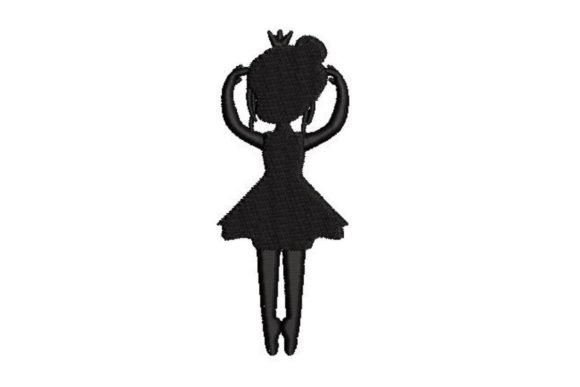
As an embroidery designer who spends countless hours digitizing and testing patterns for boutique apparel, I have learned that the difference between a bestseller and a shelf-sitter often comes down to the emotional resonance of the design. When I recently browsed the Creative Fabrica embroidery library for fresh inspiration for my upcoming sweatshirt collection, the Silhouette of a Child Ballerina caught my eye immediately. It is not just a graphic; it is a narrative element that speaks to grace, childhood dreams, and artistic elegance. In this review, I will break down why this specific machine embroidery design is a versatile asset for small clothing brands, Etsy sellers, and handmade business owners looking to elevate their product offerings.
Visual Personality and Stitching Mood
The first impression of the Silhouette of a Child Ballerina is one of understated sophistication. Unlike busy, multi-colored cartoons that can sometimes look cheap on high-end garments, this silhouette relies on shape and negative space. The visual personality is minimal yet deeply feminine and classic. It does not scream for attention; rather, it invites a closer look. For a boutique brand, this subtlety is crucial. It allows the quality of the garment fabric to shine through while adding a layer of decorative strength that feels premium rather than playful or rustic.
The stitching mood suggested by this design is calm and refined. Because it is a silhouette, the detail level is controlled, which means it avoids the pitfalls of excessive stitch density that can cause puckering on softer fabrics. This makes it an excellent candidate for various textile applications, from sturdy denim jackets to delicate tote bags. The design feels trendy in its simplicity, aligning perfectly with current consumer preferences for clean, meaningful aesthetics over cluttered graphics.
Performance Across Apparel Categories
When planning a collection, versatility is key. I evaluated how the Silhouette of a Child Ballerina performs across different garment types commonly found in small shop products. For sweatshirt embroidery, this design excels. On neutral sweatshirts in heather gray, oatmeal, or soft black, the silhouette creates a striking contrast without overwhelming the wearer. It works beautifully as a left-chest placement, offering a subtle nod to the wearer’s passion for Dance without being ostentatious.
For hoodie designs, particularly pastel hoodies or oversized garments, the silhouette maintains its integrity. The clean lines ensure that the image remains recognizable even when scaled down for sleeve accents or scaled up for a bold back design. On t-shirts, where fabric stretch is a concern, the limited stitch count of a silhouette reduces the risk of distortion. I also envision this design working wonderfully on denim jackets, where the texture of the denim provides a rugged backdrop to the delicate form of the ballerina, creating a compelling visual juxtaposition.
Beyond apparel, this embroidery file is ideal for lifestyle accessories. Tote bags are a huge market for creative entrepreneurs, and a well-executed silhouette adds significant perceived value to a canvas bag. It transforms a simple utility item into a piece of art, enhancing buyer trust and product recognition. Whether used for commercial embroidery products or personal gifts, the design holds its own.
Strategic Placement and Fabric Considerations
While the design is versatile, successful application requires careful consideration of fabric texture and placement. One of the strengths of the Silhouette of a Child Ballerina is its adaptability to dark garments. Since it is a solid shape, using light thread colors on dark apparel creates a high-impact look that photographs exceptionally well for social media graphics and Etsy listings. However, when working with fleece or ribbed fabric, attention must be paid to the stabilizer choice. A cut-away stabilizer is often necessary to support the stitches and prevent the design from sinking into the pile of the fleece.
Curved surfaces, such as the sleeve of a hoodie or the pocket of a jacket, require precise hooping. Because this is a silhouette, any distortion in the hoop will be immediately visible in the outline. I recommend testing on scrap fabric that matches the weight and stretch of your final garment. Check the stitch density settings in your software if you plan to resize the design significantly. While the product description notes that it comes with multiple embroidery file formats, always confirm the optimal hoop size and compatibility with your specific machine before starting production.
Avoid placing this design in areas that experience high stress or frequent stretching, such as the lower back of a tight-fitting shirt, unless you are using specialized stretch stitches or techniques. The goal is to maintain the crispness of the silhouette, ensuring it looks professional after multiple washes.
Elevating Brand Identity and Commercial Value
For creative entrepreneurs, every design choice contributes to brand identity. Using the Silhouette of a Child Ballerina signals a focus on quality and artistic sensibility. It helps establish visual consistency across a collection, especially if paired with other minimalistic Dance themed elements. This consistency builds customer engagement and loyalty, as buyers begin to recognize your signature style.
From a commercial perspective, this design adds tangible value to the finished product. Customers are often willing to pay more for items that feature detailed, well-executed Embroidery compared to printed graphics. The tactile nature of the stitches enhances the perceived craftsmanship of the handmade product. When creating printable mockups for your online store, ensure that the thread colors chosen reflect the premium nature of the design. Metallic threads or matte cottons can dramatically change the mood, so experiment with thread color contrast to find the perfect match for your target audience.
Practical Notes for the Embroidery Designer
Before launching this design in your shop, take the time to conduct thorough tests. Review the Creative Fabrica product details and licensing terms to ensure you are compliant when selling finished apparel. Although the description states it can be used with multiple embroidery machines, always verify the specific file formats included to ensure they match your hardware. Inspect the stitch path in your digitizing software to identify any potential jumps or trims that could affect efficiency.
Test on similar garment fabric to gauge how the threads interact with the material. Pay attention to how the silhouette fills; if it appears too sparse, consider adding a satin border or adjusting the fill pattern slightly, provided you have the rights to modify the digital embroidery file. Finally, remember that presentation matters. High-quality lifestyle product photos that highlight the texture of the stitches will drive sales more effectively than flat lay images alone.
In conclusion, the Silhouette of a Child Ballerina is a thoughtful, versatile addition to any embroidery designer’s library. It balances aesthetic appeal with technical practicality, making it suitable for a wide range of boutique apparel and accessory projects. By approaching this design with a critical eye for placement and fabric compatibility, you can create stunning, high-value products that resonate with customers and elevate your brand.