Wooden Farm House: A Designer’s Review for Small Business Merch
As an embroidery designer who has spent years digitizing and reviewing files for commercial use, I approach every new machine embroidery design with a critical eye. It is not just about whether the image looks cute on a screen; it is about how that design translates to fabric, how it holds up in a wash cycle, and most importantly, how it serves the brand identity of the small business owner using it. Today, I am reviewing the Wooden Farm House design, a piece that sits squarely in the Farm category but offers versatile applications for modern Embroidery projects.
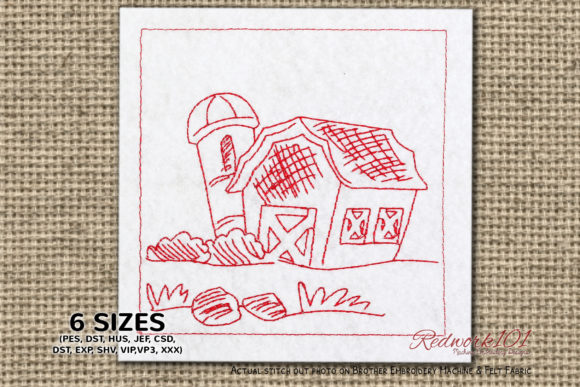
This cute redwork embroidery design of a wooden farmhouse will stitch out perfectly onto home decor, shopping bags, backpacks, or more The Box Stitch shown in the picture is optional. The color of the design is adaptable, which is a crucial feature for professional application. Let us dive into how this asset performs in real-world business scenarios.
First Impressions and Visual Personality
The immediate impression of Wooden Farm House is one of approachable rustic charm. In the world of branding, aesthetics matter immensely. This design does not scream luxury or high-tech innovation; instead, it communicates warmth, tradition, and handmade quality. For businesses in the artisanal sector, such as bakeries, florists, or boutique craft shops, this visual language is powerful. It feels friendly and decorative without being overly complex.
The redwork style suggests a classic, timeless appeal. Redwork traditionally uses a single color thread, usually red, on a white or neutral background. This simplicity is often mistaken for ease, but in commercial embroidery, simplicity requires precision. The lines must be clean, and the spacing must be consistent to avoid a messy appearance. From a design perspective, this silhouette offers a bold outline that remains recognizable even when scaled down, a vital trait for versatile merchandise.
Real-World Applications for Small Business Merch
When evaluating a digital embroidery file for client work, I look for versatility. Can this design work on a cap? Will it look professional on an apron? Here is how Wooden Farm House performs across various product categories:
- Embroidered Patches: This is perhaps the strongest use case. The distinct outline of the farmhouse makes it ideal for cut-edge or merrowed edge patches. These can be sold as standalone products or used as branded labels on handmade goods.
- Apron Embroidery: For cafes and bakeries, staff uniforms are walking billboards. Placing this design on the chest pocket of a canvas apron adds a touch of personality that customers notice. It reinforces the "homemade" vibe of the food served.
- Tote Bag Design: Shopping bags are high-visibility items. The design stitches well on heavier fabrics like canvas or denim, making it perfect for reusable grocery bags or boutique shopping totes.
- Cap Embroidery: While possible, this requires careful placement. The curved surface of a cap front can distort wide designs. However, if the scale is adjusted correctly, it works well for casual staff hats or promotional giveaways.
- Custom Apparel: On work shirts or flannels, this design serves as a subtle chest logo accent. It is less aggressive than a large back print, offering a refined look for customer-facing employees.
Strategic Considerations for Production
While the design is charming, professional execution requires attention to technical details. Not every fabric or item is suitable for every design. Here are areas where you should exercise caution when using Wooden Farm House:
Stitch Density and Fabric Texture: Redwork designs typically have lower stitch density than fill-stitch designs. This is generally good for preventing puckering, but on very loose-weave fabrics, the gaps between stitches might reveal the backing material. Always test on your specific fabric texture before running a full production batch.
Small Patch Sizes: If you intend to use this as a tiny label on a clothing tag, ensure the details do not merge. At very small sizes, intricate corners can become blobs of thread. I recommend stitching a test sample at your intended minimum size to verify clarity.
Dark Uniforms: Since this is described as a redwork design, contrast is key. On dark navy or black uniforms, a red thread may not pop sufficiently. You might need to adjust the thread colors to a bright white or gold to maintain visibility and brand recognition.
Curved Surfaces: As mentioned with caps, curved surfaces distort embroidery. The horizontal lines of the farmhouse roof and base must be checked for distortion after hooping. Using a proper stabilizer is non-negotiable here to maintain shape integrity.
Impact on Brand Identity and Customer Trust
Why does this matter for your bottom line? Consistent visual assets build trust. When a customer sees the same Wooden Farm House motif on your website, your packaging, and your staff aprons, it creates a cohesive brand experience. This professionalism signals that you care about details.
For Etsy sellers and crafters, offering items with this embroidered design adds perceived value. A plain tote bag is a commodity; a tote bag with a professionally stitched farmhouse design is a handmade product with character. It allows you to charge a premium because the labor and artistry are visible. Furthermore, using high-quality design assets like this helps in creating compelling printable mockup images for your online store, driving higher engagement and conversion rates.
Practical Designer Notes for Implementation
Before you purchase or begin production with this file, follow these steps to ensure a successful outcome:
- Test in Black and White First: Strip away the color distraction. Stitch the design in black thread on white fabric. This reveals any issues with spacing, tension, or detail clarity that color might hide.
- Check Hoop Size Compatibility: The description does not specify exact dimensions. Measure the design in your embroidery software to ensure it fits your available hoop size without requiring excessive re-hooping, which can cause misalignment.
- Review Thread Color Contrast: Select thread colors that contrast sharply with your base fabric. For a rustic look, earth tones work well on natural linens; for a pop, use bright primaries on denim.
- Use Proper Stabilizer: Match your stabilizer to your fabric. Cut-away stabilizer is best for stretchy fabrics like t-shirts, while tear-away works for stable woven fabrics like canvas tote bags.
- Confirm Commercial Licensing: Always verify the license terms of the embroidery file. Ensure you have the right to use the finished product for commercial sale, especially if you are producing items for clients or selling them directly.
- Create a Mockup for Client Approval: If you are doing this for a client, superimpose the design onto a photo of their actual garment. This manages expectations and prevents disputes over placement or size.
In conclusion, Wooden Farm House is a solid addition to any embroidery library focused on rustic, artisanal, or home-style branding. It is not just a decorative element; it is a functional tool for building brand consistency across small business merch. By paying attention to fabric choice, stabilizer, and scale, you can transform this simple digital file into a high-value asset for your business or your clients. Remember, the quality of the final stitch reflects the quality of your brand, so take the time to test and refine your process.